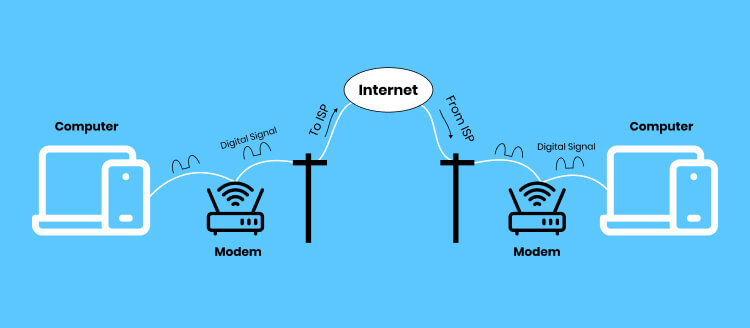
An Internet Service Provider (ISP) connects to the internet by using a variety of methods depending on the scale and infrastructure of the ISP. Generally, an ISP connects to the internet backbone, which consists of high-speed fiber optic cables that span continents and countries, forming the core of the global internet.
-
Backbone Connectivity: ISPs purchase bandwidth from Tier 1 ISPs (large network providers) or connect to peering points where multiple ISPs exchange traffic. This allows the ISP to access the global internet infrastructure.
-
Data Centers: ISPs use data centers with powerful servers and routing equipment to manage and distribute internet traffic to their customers.
-
Local Access Networks: Once connected to the internet backbone, the ISP distributes the internet connection to homes or businesses via various technologies such as DSL, fiber optics, cable, or wireless technologies (e.g., LTE, 5G).